Getting an internship interview is a positive sign: the employer has already seen something in your application that interests them. The next step is showing how your skills, motivation and potential match the role.
For students and graduates, internship interview questions and answers often focus less on years of professional experience and more on how you think, communicate, learn and work with others. Employers may draw examples from your studies, volunteering, societies, part-time work, projects or previous internships.
The exact questions will vary by organisation and role, so preparation should focus on understanding the employer and developing strong examples rather than memorising scripted answers.
Key Takeaways
- Research the organisation and internship before the interview.
- Prepare examples from university, volunteering, projects and part-time work.
- Use the STAR method for competency-based questions.
- Explain clearly why the internship interests you.
- Do not invent experience you do not have.
- Prepare thoughtful questions to ask the interviewer.
- Practise your answers without memorising them word for word.
How to Prepare for an Internship Interview
Good preparation starts with the internship description.
The UK National Careers Service recommends reading the job description carefully, researching the organisation, reviewing your CV or application and preparing examples that demonstrate the skills the employer wants.
Identify the main competencies in the advertisement. These might include communication, teamwork, organisation, analytical thinking, initiative or technical skills.
Then match each competency with a genuine example from your experience.
You do not necessarily need previous employment. The National Careers Service confirms that examples can come from volunteering and other areas outside formal work, while Oxford Careers Service recommends drawing from different areas such as your degree, part-time employment, volunteering, societies and previous internships.
Common Internship Interview Questions & Answers
Tell me about yourself
This is usually an opportunity to give a concise professional introduction rather than your complete personal history.
You could structure your answer around:
- what you are currently studying or doing
- relevant skills or experiences
- why this internship is your next step.
For example:
“I am currently completing my degree in Business Management, where I have developed a strong interest in digital marketing. Through university projects and volunteering, I have gained experience in research, teamwork and content creation. I am now looking for an internship where I can apply these skills in a professional environment and continue developing them.”
Keep your response relevant to the internship.
Why do you want this internship?
Employers usually want to understand whether you have researched the opportunity and whether your motivation is genuine.
A stronger answer connects three things: the organisation, the role and your development.
Instead of saying, “I need experience”, explain what specifically interests you.
For example:
“I am interested in this internship because it combines research and communications, which are areas I have enjoyed developing during my studies. I am particularly interested in learning how your team communicates complex information to different audiences.”
Use details from the official internship description and organisation website.
Why should we choose you?
Focus on what you can contribute rather than trying to claim that you are better than every other applicant.
You might highlight two or three relevant strengths supported by examples.
For instance:
“I can bring strong organisation, communication and willingness to learn. During a university group project, I coordinated deadlines across five team members and helped ensure we completed the project on time. I would bring the same reliability and collaborative approach to this internship.”
How to Answer Behavioural Questions
Behavioural questions ask you to describe something you have actually done.
Typical examples include:
- Tell me about a time you worked in a team.
- Describe a challenge you faced.
- Give an example of when you showed initiative.
- Tell me about a time you worked under pressure.
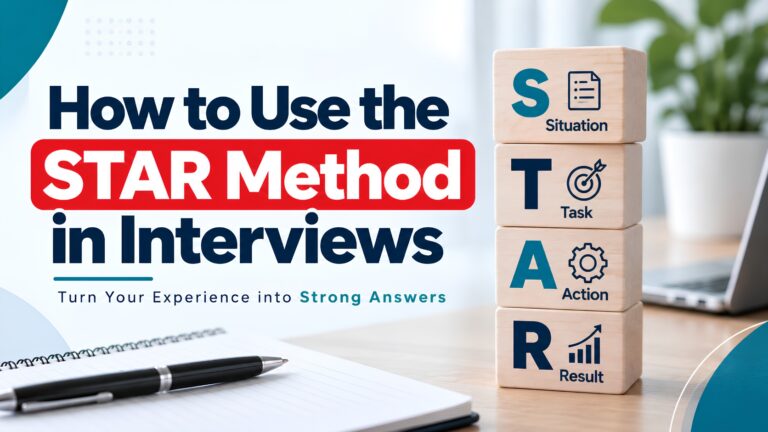
The National Careers Service recommends using the STAR method: Situation, Task, Action and Result.
Use the STAR method
Briefly explain the situation and your responsibility. Spend most of your answer describing what you did, then finish with the outcome and what you learned.
Oxford Careers Service similarly advises candidates using STAR to place particular emphasis on their actions.
Your examples do not need to be dramatic. A university assignment, student society, volunteering role or part-time job can provide strong evidence if it demonstrates the skill being assessed.
What If You Have No Work Experience?
Lack of formal employment does not mean you have nothing to discuss.
Think about experiences where you have solved problems, organised activities, worked with others or completed something under pressure.
Relevant examples might include:
- group assignments
- dissertations or research projects
- volunteering
- university societies
- competitions
- personal projects
- caring responsibilities
- part-time work.
The National Careers Service specifically advises candidates with limited work history to use examples from outside employment where they demonstrate the required skills.
Your goal is to show transferable skills and evidence of learning.
Questions About Strengths and Weaknesses
What are your strengths?
Choose strengths relevant to the internship and support them with evidence.
Instead of simply saying “I am organised”, briefly demonstrate it.
For example:
“One of my strengths is organisation. During my final semester, I managed several coursework deadlines alongside volunteering by planning my workload weekly and setting earlier personal deadlines.”
What is your biggest weakness?
Choose something genuine but manageable. Explain what you are doing to improve it.
Avoid presenting an essential requirement of the internship as a serious weakness.
The purpose is usually to understand your self-awareness and development, not to hear a supposedly perfect answer.
Questions You Should Ask the Interviewer
Most interviews provide time for your questions.
The National Careers Service recommends preparing your own questions and suggests areas such as training, development and what a typical day involves.
Useful questions could include:
- What would a successful intern achieve during this placement?
- What kind of projects would I contribute to?
- How is feedback normally provided to interns?
- What opportunities are there to learn from the wider team?
Avoid asking questions that are clearly answered on the organisation’s website.
Do Not Memorise Every Answer
Preparation is important, but memorising complete scripts can make your responses sound unnatural.
Oxford Careers Service advises candidates to prepare key points rather than learning fixed answers word for word. This helps you respond more naturally when questions are phrased differently from what you expected.
Practise speaking your answers aloud, but focus on the message and evidence rather than exact wording.
Conclusion
Preparing for internship interview questions and answers is mainly about understanding the role and having clear evidence of your skills.
Research the organisation, study the internship description and prepare several examples from your academic, voluntary and professional experiences. Use STAR for behavioural questions and explain your motivation in a specific and credible way.
You do not need years of experience to interview well. You need relevant examples, preparation and a clear understanding of what you can contribute and what you hope to learn.
FAQs
How long should an internship interview answer be?
There is no universal time limit. Keep straightforward answers concise, while competency-based answers may require more detail. Focus on answering the question clearly without unnecessary background.
Can I use university projects as interview examples?
Yes. Academic projects can demonstrate teamwork, research, organisation, problem-solving, communication and other transferable skills, particularly when you have limited professional experience.
Should I use the STAR method for every interview question?
No. STAR is particularly useful for questions asking for examples of past behaviour. Questions about your motivation, interests or understanding of the organisation usually require a more direct answer.
How should I prepare for a video internship interview?
Check your technology, internet connection and interview instructions in advance. Research the organisation, review your application and prepare examples just as you would for an in-person interview. The National Careers Service also recommends preparing for both live and pre-recorded video interviews.
Mindship Global Tip
Before your interview, prepare five adaptable examples from your studies, volunteering, projects or work. Choose examples covering teamwork, problem-solving, initiative, organisation and handling a challenge. You can then adapt them naturally to several different interview questions.
Disclaimer
Mindship Global shares verified educational opportunities for informational purposes only. Always verify eligibility, funding, deadlines, required documents and application requirements through the official programme website before applying.